
 01 / 06
HOME SECURITY
Make Home Safety Part of Your Routine
Explore home lighting, entry-point security, and household routines. Learn what to check, what to ask a professional, and where security equipment has limits.
Explore home securityTHE DEFENSE MINDSET
Practical guides and checklists to plan for everyday disruptions, organize useful essentials, and make informed safety decisions at home and on the move.
A 3-page checklist with checkboxes, review dates, and space for your next actions.
Start with the situations you are most likely to face. Explore practical ways to organize essential supplies, make a household plan, and build habits you can maintain.
Explore six areas of everyday preparedness, from securing your home to organizing supplies and making a plan for disruptions.
01 / 06HOME SECURITY
Explore home lighting, entry-point security, and household routines. Learn what to check, what to ask a professional, and where security equipment has limits.
Explore home security 02 / 06
EVERYDAY CARRY
Choose bags, organizers, lights, and portable power for daily use. Build a practical carry system around the essentials you use every day.
Explore everyday carry 03 / 06
EMERGENCY PREPAREDNESS
Make a household contact plan, organize supplies, and prepare for interruptions to power and communication. Adapt general guidance to local conditions.
Explore emergency preparedness 04 / 06
VEHICLE SAFETY & READINESS
Review vehicle supplies, tire maintenance, and the limits of emergency tools. Use your vehicle manual and local road-safety guidance for specific decisions.
Explore vehicle readiness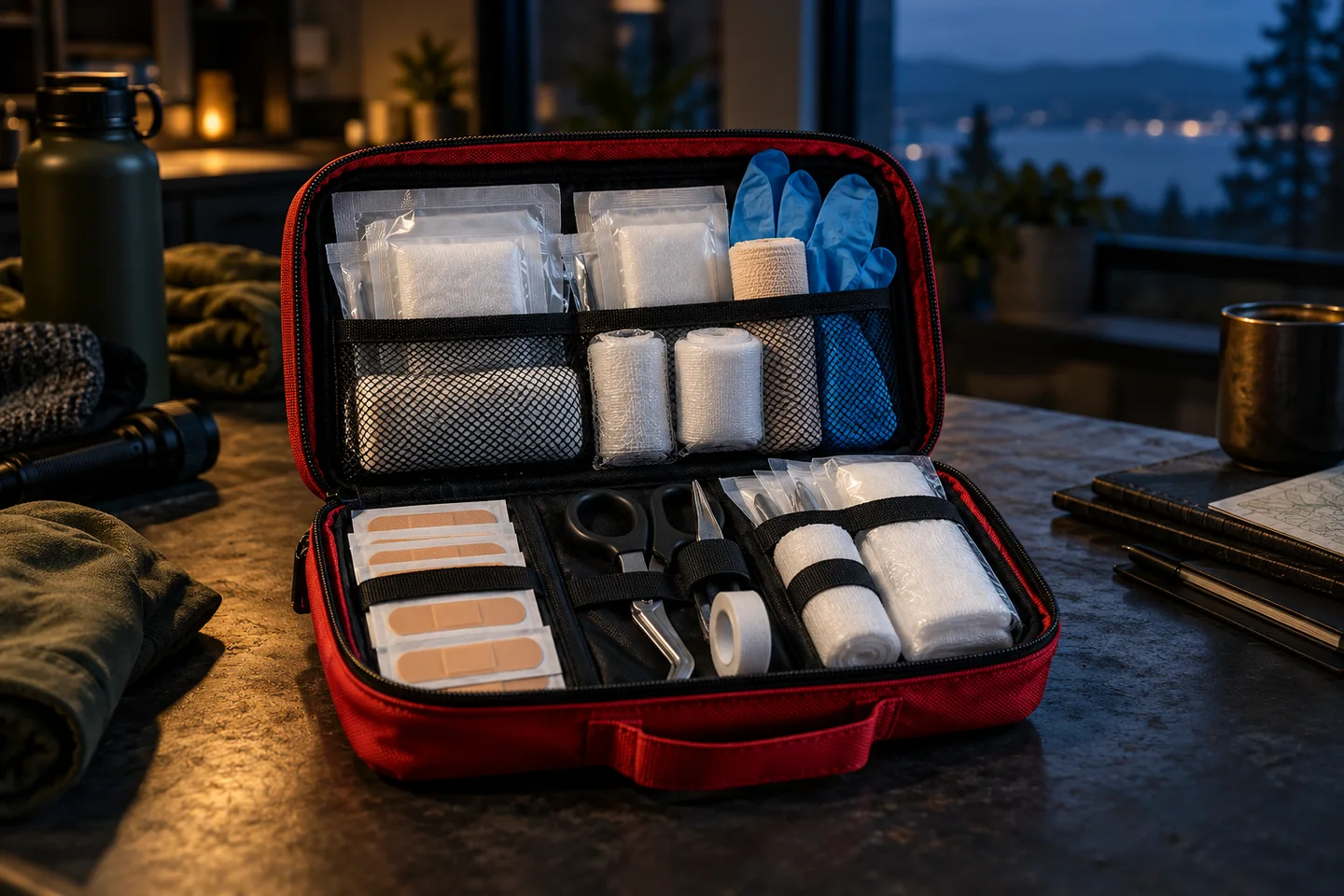 05 / 06
FIRST AID & EMERGENCY KITS
Organize and maintain a first-aid kit, identify your training needs, and understand the limits of specialist supplies. Hands-on instruction and professional care come first.
Explore first aid readiness 06 / 06
AWARENESS & MINDSET
Explore everyday attention, calmer communication, and planning habits. Learn to recognize the limits of predictions and when local professional guidance is needed.
Study awareness and mindsetGive household contacts, supplies, and departure arrangements a clear place in your plan.
Make a family emergency plan Review your evacuation arrangements Check your emergency supply inventory EXPLORE EMERGENCY PREPAREDNESSReview your vehicle, passenger needs, and equipment before setting out.
Use the vehicle readiness checklist Review your car first-aid supplies Check the limits of vehicle escape tools EXPLORE VEHICLE READINESSReview lighting, entry points, and everyday routines to identify practical improvements around your home. Keep security planning separate from your fire escape plan.
ESSENTIALS THAT FIT YOUR DAY.EVERYDAY UTILITY
Reliable everyday carry is not about carrying more. It is about choosing practical equipment you will actually use: a practical bag or organizer, a dependable flashlight, and backup power for the demands of your day.
Build a simple carry system around the items that solve real daily problems.
Keep dependable illumination and backup power ready for commutes, outages, and unexpected delays.
FIRST AID READINESS
Learn how to choose, organize, and maintain a first-aid kit, and why hands-on instruction matters. Our articles are educational resources, not a substitute for professional care or training.
EXPLORE FIRST AID GUIDESTHE MINDSET
Explore everyday attention, communication, and planning habits. Preparation can help you consider options; it cannot predict every situation or guarantee an outcome.
Put distractions aside during transitions and locate the exits in unfamiliar places.
Consider distance, calmer communication, and when to seek help.
Use current local sources for legal questions and qualified instruction for specialist skills.
Choose an introductory guide from each of the six pillars, then follow the topic that fits your next task.
 01 / 06
HOME SECURITY
Learn how to reinforce an exterior door by assessing the frame, strike, lock, and hinges, choosing compatible hardware, and preserving a usable exit.
Read the field note 02 / 06
EVERYDAY CARRY
Build an everyday carry system around your commute, work, and personal needs, with clear storage locations and a simple maintenance routine.
Read the field note 03 / 06
EMERGENCY PREPAREDNESS
Create a family emergency plan with contacts, authorized school pickup, meeting places, caregiver roles, and a practical template to review together.
Read the field note 04 / 06
VEHICLE SAFETY & READINESS
Use this vehicle readiness checklist for everyday departures, monthly checks, roadside contacts, supplies, and changes to your trip.
Read the field note 05 / 06
FIRST AID & EMERGENCY KITS
Build a household first-aid kit with useful basic supplies, personal-needs checks, suitable storage, and a simple inventory and restocking routine.
Read the field note 06 / 06
AWARENESS & MINDSET
Learn how to improve situational awareness with practical habits, everyday examples, and a simple exercise for your next trip.
Read the field noteStart with the basics, then choose a useful next step.
Our guides link to their sources and explain their scope. Read how we work or send a correction.
It means planning for common disruptions and organizing the essentials you are likely to need at home, on the move, or during an outage.
Start with your family emergency plan: confirm contacts, meeting places, and responsibilities. Use the free readiness checklist to record the next tasks for your household.
Read the family emergency plan guide
Download the free readiness checklist (PDF)
Begin with your needs and the equipment you already have. Consider fit, storage, maintenance, and the situations each item is meant to address before buying more.
No. The articles provide general information. Seek qualified instruction and professional advice for medical, legal, and other specialist decisions.
THE DEFENSE MINDSET / YOUR NEXT MOVE
Choose one guide, make one practical improvement, and revisit your plan as your household and routines change.